

A hot skillet needs somewhere to land when dinner is ready. Granite, quartzite, soapstone, and certain manufactured surfaces tolerate heat well, but their care requirements differ.
Choosing heat resistant kitchen countertops means comparing the complete installation, including seams and surface treatments. This guide explains the strongest options, their limitations, and the habits that help prevent expensive damage.
Understanding heat resistance in countertops
Heat resistance describes a material's ability to withstand elevated temperatures without damage. It does not guarantee protection against every hot pan or prolonged exposure. Contact time and temperature differences across the countertop also matter.
Thermal shock happens when a sudden temperature change creates stress within a material. A concentrated hot spot can expand faster than the surrounding surface, potentially causing a crack. Edges, cutouts, and existing weaknesses deserve particular care.
Even highly durable countertop materials need clearly defined conditions of use. The slab may tolerate heat better than its adhesive, repair resin, or supporting layers. Ask which component a published temperature rating actually describes.
Consider a baking dish removed from an oven set to 425°F. That setting does not establish an exact countertop contact temperature. The dish material, cooling time, and duration of contact all affect how much heat reaches the surface.
A useful specification identifies the product and test conditions. A number without those details cannot tell you whether leaving a cast iron skillet beside the sink is safe.

Top heat-resistant countertop materials
Natural stone and manufactured mineral slabs offer several practical choices for cooking areas. Each has advantages beyond heat tolerance, along with maintenance or installation concerns.
When comparing heat resistant countertop materials, look at everyday wear as well as temperature performance. A surface that handles cookware well may still scratch, chip, or require stain protection.
Granite
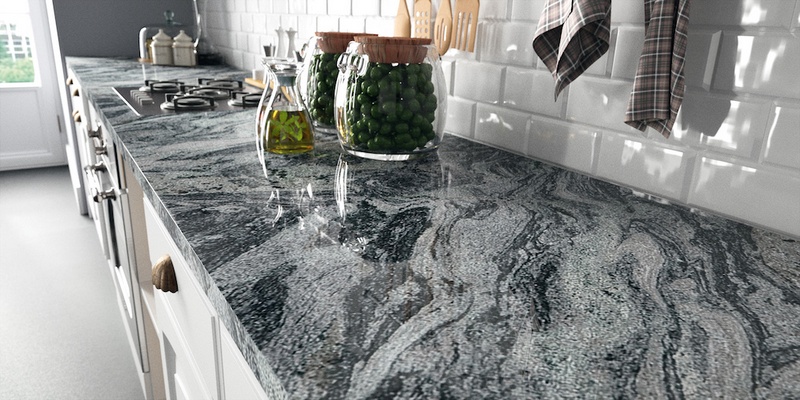
Granite combines natural color variation with strong resistance to heat and everyday wear. Its speckled patterns can also make small crumbs and minor marks less noticeable between cleanups.
The Natural Stone Institute describes granite as typically heat resistant to approximately 480°F, or 250°C. It also discourages direct localized heat because temperature differences within the stone can initiate cracking. Treat that figure as general material guidance, not permission to place every hot pan directly on a slab.
For a household that cooks frequently, granite provides a practical balance of appearance and durability. Select the actual slab before fabrication because mineral patterns vary substantially.
Ask the fabricator about absorption, sealing needs, and any filled areas. These details affect maintenance and help establish realistic expectations for the finished counter.
Quartzite
Quartzite appeals to homeowners who want natural veining and strong resistance to wear. Many varieties have pale backgrounds that suit kitchens with white cabinets or warm wood finishes.
Natural quartzite tolerates cooking heat well, but it should still be protected from concentrated hot cookware. MSI identifies heat tolerance as a benefit of quartzite, including its ability to withstand hot baking dishes and pans. The selected slab's treatments and installation details still need individual review.
Quartzite and engineered quartz are different materials. Quartzite is natural stone, while engineered quartz incorporates binders that affect its response to heat.
Confirm the stone's identity and request care instructions for the specific selection. Discuss sealing and any resin repairs before approving the slab, especially if the cooking area will receive heavy daily use.
Soapstone
Homeowners looking for heat proof countertops should consider soapstone for its strong heat tolerance and a softer, matte appearance. Its subdued gray and charcoal tones work particularly well with wood cabinetry.
Soapstone supplier M. Teixeira identifies direct contact with hot cookware as an accepted use for its material. That makes soapstone worth considering when hot pans are a frequent part of the kitchen routine. Confirm the guidance for the supplied stone and completed installation.
The tradeoff is surface wear. Soapstone can develop scratches and small dents, so it suits homeowners who accept a changing patina.
Optional oiling can deepen its color, but it is an appearance treatment rather than the same sealing routine used for porous stone. View an aged sample if possible before deciding.
Porcelain
Porcelain slabs offer strong heat resistance with a broad choice of printed stone patterns and solid colors. They can suit homeowners who want a consistent appearance across a large kitchen.
Certain manufacturers expressly permit contact with heated objects. Caesarstone, for example, describes this capability for its porcelain surfaces. Follow the care instructions for the exact product instead of applying that statement to every porcelain slab.
Edge design deserves close attention. A thin slab or exposed corner can be vulnerable to impact from heavy cookware even when the surface handles heat well.
Ask to see finished edge samples, including how the pattern looks at corners. Choose a fabricator familiar with the selected product's cutting and support requirements.
Sintered and ultracompact surfaces
Sintered and ultracompact slabs are another option for kitchens with demanding cooking routines. Their heat performance can be strong, though the category includes products with different specifications.
Cosentino states that Dekton can withstand hot cookware and heat from countertop appliances under its care guidance. Its published instructions also identify exceptions, including protection requirements for 8 mm material. Product thickness and finish therefore belong in the selection discussion.
For homeowners asking what countertops are heat resistant, these products deserve consideration alongside natural stone. Compare their written care instructions before choosing between brands.
Also discuss edge repairs and replacement options. Resistance to heat does not establish how easily a chipped corner can be repaired or how closely a replacement section will match.
Popular materials with heat limitations
Engineered quartz remains appealing for its consistent patterns and manageable daily cleaning. However, its binders make direct heat exposure a concern. Hot cookware can cause discoloration or damage that ordinary cleaning cannot remove.
Manufacturer guidance varies, which makes a universal quartz temperature limit misleading. Caesarstone recommends trivets and hot pads, including beneath hot cookware, and warns about damage from rapid temperature changes. A quoted tolerance should never replace those instructions.
Marble requires a different judgment. Heat is only part of its maintenance picture because acidic ingredients can etch the surface. A homeowner who expects a consistently polished finish should weigh that issue alongside cookware habits.
Laminate, wood, and solid surface countertops also require protection from hot pans. Depending on the product, excessive heat may cause scorching, discoloration, distortion, or separation between layers.
Concrete needs product specific advice because its coating may determine how well the finished surface handles hot objects. The underlying material and the protective finish do not necessarily share the same limits.
These options can work well when the kitchen includes convenient protected landing areas. Put a suitable trivet beside the range before cooking rather than searching for one while holding a heavy pot.
Comparison table: heat resistance by material
Temperature figures become useful when their limitations are clear. The table distinguishes general material performance from permission to place hot cookware directly on a finished counter.
Where a universal numerical limit would be misleading, the practical restriction is more useful.
Use this comparison to narrow the shortlist before requesting samples. It cannot predict the condition of a particular slab or override installation requirements.
Ask whether the warranty covers thermal damage and what exclusions apply. Keep the care sheet with the purchase documents so future household members have the same instructions.
How to protect any heat-resistant surface
A heat resistant surface still benefits from a sensible cooking layout. Keep the area beside the stove clear enough for a full pan and its handles.
Protection should be easy to reach during ordinary cooking. A trivet stored across the room is unlikely to help when pasta water is boiling over.
Follow this routine when moving cookware:
- Set out a dry trivet rated for the expected cookware temperature before turning on the stove.
- Place the entire pan base on the trivet so no hot section touches the counter.
- Keep hot cookware away from seams, exposed edges, and sink cutouts.
- Check appliance instructions before operating a slow cooker, griddle, or air fryer on the countertop.
- Let the cookware and the surrounding area cool before cleaning.
An appliance that runs for several hours creates different conditions from a briefly placed serving dish. Follow both the appliance manual and countertop care guide. Do not assume a thin mat provides enough insulation for every appliance.
Avoid cooling a hot countertop patch with ice or cold water. Let the area return to room temperature gradually. If a crack or persistent discoloration appears, ask the fabricator to assess it before attempting abrasive repairs.
How to choose the right heat-proof countertop
Start with how your household cooks. Frequent roasting, stovetop searing, and batch cooking create more demand for protected landing space than occasional meal preparation.
The best heat resistant countertops for your kitchen should also fit your cleaning habits and preferred appearance. A material's strongest feature will not compensate for maintenance you dislike.
Bring these questions to the showroom:
- Does the care guide permit direct contact with hot cookware?
- Does the selected slab contain filled areas or surface treatments?
- What sealing or other maintenance does it require?
- How will seams and appliance cutouts affect the layout?
- What does the installed quote include?
- How are chips, cracks, or damaged sections handled?
Compare samples beside your cabinet finish under the kitchen's actual lighting. A small display piece may not show the variation found across a natural slab. Review the proposed layout before cutting, especially around a prominent island or long backsplash.
Budget for fabrication details as well as the material. Edge profiles, sink openings, support requirements, and access to the installation area can affect the final quote.
Cabinets, Countertops & More specializes in fabricating and installing quartz, granite, and quartzite countertops. Its Cleveland showroom welcomes homeowners and trade professionals, making it a useful place to compare those materials alongside cabinetry.
Bring kitchen dimensions, appliance details, and photos of the existing space. Request a quote for your preferred material and discuss the cooking habits that matter most before finalizing the design.


